 Kieron O'Hara
Andy Burnham: Two Scenarios
Posted on 23/06/26 in Politics
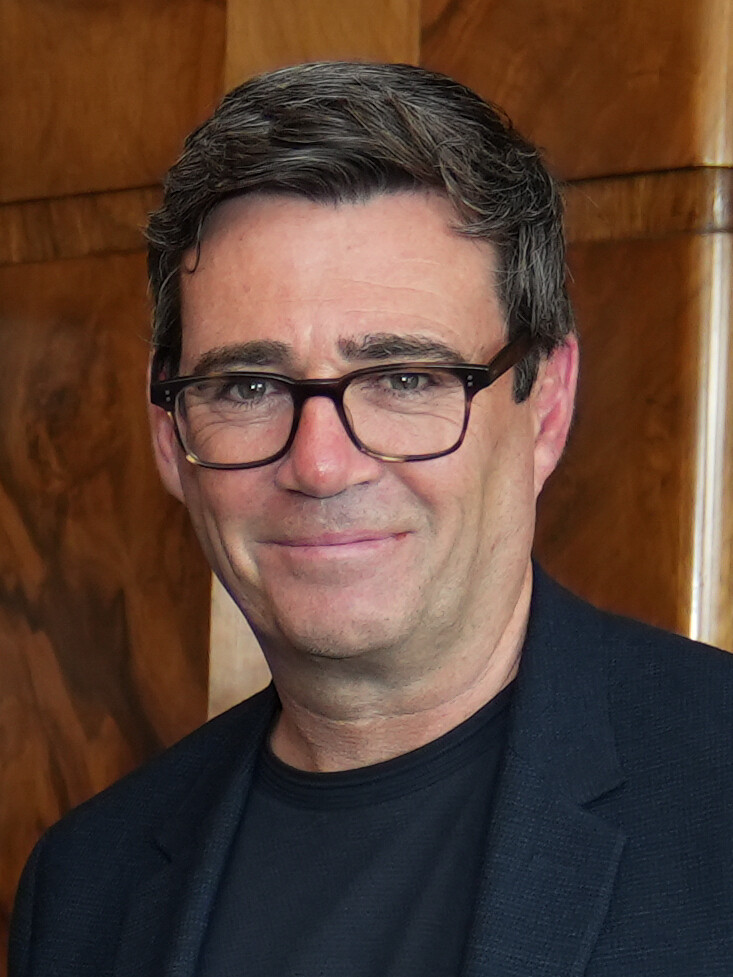
So, it looks like Andy Burnham has made it. Sir Keir crumbled as the inevitability hit not only him, but his closest colleagues, the final collapse of a man who, for all his good qualities, simply does not understand or ‘do’ politics. Burnham, for all his bad qualities, does politics very well, and that is bound to help the Labour Party recover its position somewhat. Will it help the nation?
I have a good scenario for PM AB and a bad one, depending on what he uses his skills to do. The big issue is whether Burnham understands the seriousness of Britain’s situation – not only the rash of populist halfwits to left and right, but also the difficulties in doing the primary jobs of the state – protecting the nation, and ensuring its finances.
Good scenario: Burnham doesn’t go berserk on his nationalisations. If he insists on nationalising things, then he carefully choose ones that might aid productivity and therefore growth. Transport in the North would obviously speak to his strengths.
Burnham and Wes Streeting, both of whom understand health very well as intelligent, political men who have wrestled with the NHS at a deep level, cooperate to forge a revamp of the NHS in order to deal with long-term social care and chronic illness. Streeting would have to forego a top job, but his old one could be of great strategic value, and a successful stint would enable him to remedy the errors he made first time round. There is no point pumping money into an unreformed institution – all you get is the same performance on higher pay. Ideally, as this issue will not be solved before the next general election, they would also collaborate to a degree with experts across the aisle, such as Jeremy Hunt, to put a durable reform in place as a major legacy both for Burnham and also for Streeting’s benefit as he eyes a future leadership bid.
He reappoints John Healey as defence minister and works with him to implement the defence review, again ideally working across the aisle.
He accepts the government’s fiscal problems (at least to the extent of understanding that he can’t both nationalise things and be generous with welfare) and has the political capital and nous to face down backbenchers if they get restive over essential and no-brainer welfare reforms.
If he feels he has to address the cost of living (about which he can do nothing), hopefully he will try to boost the income of low earners, rather than imposing price controls (which benefit the rich and always lead to shortages).
He needs also to be capable on immigration and asylum, whatever his policies, partly because it’s such a golden issue for Farage, but also because it’s a real failure of the state. In a sense, it doesn’t really matter what his policies are, since again they won’t have much effect in the short term, but more that he is clear about what he wants to do, and – if he wants to encourage immigration – he makes a robust case for it.
If he needs to raise money, which he probably will, he does it the simple way by sticking a penny or two on income tax, rather than Reeves-style workarounds, half-measures and fudges, creating complexity and voluble losers without raising very much at all. And certainly not by borrowing any more.
He sidelines the weak links, most notably Angela Rayner. The ideal post for her, IMHO, would be mayoral candidate for Manchester. It would need another by-election, but with her Mancunian communication skills she would be by far the best Labour candidate. It would also take an embarrassing and inadequate figure away from the national stage.
Bad scenario: he chases Polanski left.
He works with Miliband to do performative green stuff (always making commitments for ten years down the line, when he is safely out of office).
He borrows to nationalise, on the dubious ground that this is capital investment, not public spending, even though it will never see a return.
When he runs out of fiscal room, he keeps the backbenchers and members onside with culture war red meat, more workers’ rights and stuff for minorities, the costs of which fall on business and will therefore shackle the economy (as they already have under Starmer and Reeves).
He leans on the weak links, most notably Angela Rayner, to generate the culture war stuff. Price and rent controls for the cost of living. Rhetoric without action on immigration. Votes for 16 year olds. And then he will wonder why growth is at historic lows, the fiscal situation shot to hell and Farage leads the polls.
I strongly feel that the best way of facing down populist halfwits like Farage and Polanski is to exhibit a quality political class governing effectively. That means some level of cooperation with the serious opposition at least to the extent of a common understanding of the problems that need to be addressed. There is still a load of issues to solve about communication and social media, and the next election may already be lost, but someone, somewhere has to play the long game if the halfwits are not to take over permanently.
Burnham, whatever his faults, certainly played the long game when he jumped ship in 2016 and left Corbyn to his chaos. And it’s not as if he hasn’t had time to work up a plan. He has experience in governing, but of course he never had to make a serious financial decision – money just arrived for him like magic. Let’s hope his newly-appointed magic circle of economists can give him the understanding he needs.
*
* (image credit, By Scottish Government – https://www.flickr.com/photos/26320652@N02/53921141434/, CC BY 2.0, https://commons.wikimedia.org/w/index.php?curid=157498234)